
.jpg)
When it comes to overall health and well-being, early detection and intervention can make a big difference. With that said, chest discomfort and heart flutters can be unsettling, as one moment you feel a strange pressure in your chest and the next your heart seems to skip or beat unusually hard. In most cases, these sensations stem from serious heart problems. However, they can also be a result of stress, digestive issues, medications, or other conditions. If you are having a hard time figuring out which explanation fits your symptoms, Southern Maryland Medical Group can help. Our primary care doctors carefully question, examine, and test patients to narrow down the possibilities and determine the next step.
The first step your primary care physician (PCP) takes is surprisingly simple: ask questions. These often include inquiries about when the discomfort or fluttering started, how long it lasts, and the moments these sensations start. You may also be asked whether you experience shortness of breath, sweating, dizziness, nausea, or fainting. The purpose of this initial assessment is to help distinguish between different potential causes and ensure an accurate diagnosis.
The reality is that not every chest sensation originates in the heart. With this in mind, familiarizing yourself with other issues that can produce the same symptoms as cardiac arrest is essential. Primary care doctors can consider possibilities such as muscle strain, acid reflux, anxiety, lung conditions, and irritation around the chest, rather than assume that every unusual sensation is a heart problem. Also, your recent activities, diet, stress, illnesses, and medications may all provide clues that help with the diagnosis.
A physical examination gives your primary care doctor in Riverdale, MD another layer of information. This may include measuring your blood pressure, pulse, temperature, and oxygen level while listening to your heart and lungs. Your physician can evaluate the pulse rate to determine whether your heartbeat is unusually fast or listen for abdominal heart sounds that could point toward an underlying condition. Although an examination cannot identify every heart problem, it goes a long way in determining which tests may be appropriate.
When patients describe a racing, fluttering, or irregular heartbeat, primary care doctors often conduct an electrocardiogram (ECG) test to capture the heart’s rhythm. This is a quick, painless test that reveals the heart’s condition at a particular moment. The results can help identify certain rhythm abnormalities or other patterns that require further evaluation. However, heart flutters can come and go, which means they may not occur during the ECG. Even if a normal test doesn’t necessarily explain every episode, it can provide pertinent information that helps narrow down possible causes.
Sometimes, the heart may be reacting to something happening elsewhere in the body. Your primary care physician may conduct a blood test to look for potential contributors, such as anemia, thyroid abnormalities, or changes in certain electrolytes. The doctor may also review caffeine intake, alcohol consumption, tobacco use, supplements, and prescription or over-the-counter medications. While some products may seem harmless, they can influence heart rate or produce sensations that resemble palpitations.
Chest discomfort and heart fluttering deserve immediate attention. However, they don’t automatically mean the same thing for everyone. Primary care doctors look at the complete picture, including symptoms, medical history, physical examination, risk factors, and test results, to narrow down possible causes. If you have been experiencing these issues, contact Southern Maryland Medical Group to schedule an evaluation.
Southern Maryland Medical Group has 3 convenient locations to provide professional medical care services in the Southern Maryland area. Call or schedule an appointment with one of our locations to get medical care help.

5801 Allentown Road, Suite 400 Camp Spring, MD 20746
Phone: 301-868- 0150
Billing Inquiries: 301-552-1270
Fax: 301-868-0243

7500 Greenway Center, Dr #1200 Greenbelt, MD 20770
Phone: 301-486-7580
Billing Inquiries: 301-552-1270
Fax: 301-486-7581
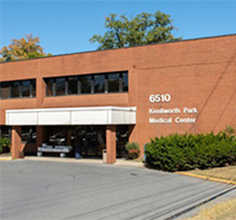
6510 Kenilworth Ave, Ste 1400, Riverdale MD 20737
Phone: 301-618-0771
Billing Inquiries: 301-552-1270
Fax: 301-618-0772