

Chest tightness can be unsettling at any age. Sometimes, discomfort can be from something minor like acid reflux, muscle strain, anxiety, or a respiratory problem. However, other times it can signal a heart attack. At Southern Maryland Medical Group, we understand that the difference is not always obvious from symptoms alone. That’s why our primary care doctors conduct an electrocardiogram, also known as an EKG or ECG. This test not only reveals the heart’s electrical activity but also provides physicians with clues about what may be happening inside the heart.
The reality is that chest discomfort doesn’t always follow a predictable pattern, making it difficult for primary care doctors and patients to interpret. During a medical evaluation, a patient may describe squeezing, pressure, heaviness, tightness, or burning. This unusual sensation may also reach the arm, shoulder, neck, jaw, or upper abdomen. Because several conditions can show similar symptoms, physicians consider the patient’s medical history, physical examination, and test results rather than relying on one symptom. Don’t just assume chest tightness or similar sensations are a result of indigestion or another harmless problem. If you or a loved one experiences severe or sudden chest pain, especially when accompanied by other warning signs, schedule a check-up with your doctor quickly.
An electrocardiogram or ECG is a noninvasive and quick test that records the electrical signals responsible for pumping. Primary care doctors place small electrodes that attach to the skin of the chest and usually the arms and legs. This strategic tracing reveals how the heart is beating and whether there are electrical patterns that may point to reduced blood flow or heart muscle injury. An ECG acts like a snapshot of the heart’s electrical behavior at a particular moment. However, it doesn’t directly photograph anomalies like a blocked artery. Primary care doctors in Riverdale, MD can use ECG results to reveal important changes caused by problems affecting the heart.
Although an ECG reveals the heart’s electrical behavior, it can also show distinctive changes in certain types of heart attacks. A popular finding in the heart’s electrical pattern is the ST-segment elevation, which can indicate an acute blockage affecting proper flow to certain parts of the heart. Additionally, changes in the T waves and an ST-segment depression can produce different ECG abnormalities. Because an electrocardiogram may not always show clear signs of a heart attack, primary care doctors may repeat the ECG and combine it with other tests for proof of good health.
Chest tightness is not always a red flag. However, there are certain situations that require medical evaluation. If chest tightness is severe, sudden, persistent, or associated with difficulty breathing, fainting, cold sweating, pain, or nausea, seek professional help. In severe cases, chest pain can spread to the arm, jaw, back, or shoulder, prompting immediate attention. By seeking emergency medical care in such situations, you can determine if the sensation is a cause for concern. Primary care doctors can perform an ECG and other appropriate tests to investigate the cause and determine the best course of action.
The reality is that chest tightness has many possible causes, and symptoms alone cannot always distinguish a minor condition from a severe heart attack. An ECG gives primary care doctors a fast look at the heart’s electrical activity and helps identify patterns associated with certain types of heart damage. Contact Southern Maryland Medical Group to book an appointment with our healthcare experts and learn more about how an ECG test can help your physician find out what is actually happening.
Southern Maryland Medical Group has 3 convenient locations to provide professional medical care services in the Southern Maryland area. Call or schedule an appointment with one of our locations to get medical care help.
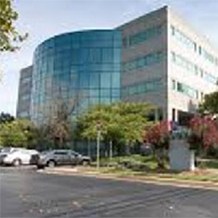
5801 Allentown Road, Suite 400 Camp Spring, MD 20746
Phone: 301-868- 0150
Billing Inquiries: 301-552-1270
Fax: 301-868-0243

7500 Greenway Center, Dr #1200 Greenbelt, MD 20770
Phone: 301-486-7580
Billing Inquiries: 301-552-1270
Fax: 301-486-7581
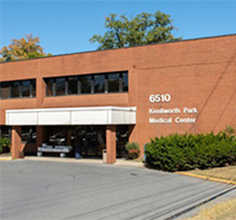
6510 Kenilworth Ave, Ste 1400, Riverdale MD 20737
Phone: 301-618-0771
Billing Inquiries: 301-552-1270
Fax: 301-618-0772