

When primary care doctors mention a carotid Doppler test to patients, it usually causes mixed emotions. Many people are usually worried about what the results will reveal, or maybe what it means in the long run. If you experience sudden weakness, dizziness, or vision changes, Southern Maryland Medical Group can help. We understand that the uncertainty of medical results can feel overwhelming, and carotid Doppler results are no exception. Let’s delve into what these findings mean to help you discuss your overall health more openly and make more informed decisions.
Plaque is a substance that comprises fat, cholesterol, calcium, and other materials that can accumulate inside an artery. This is a common occurrence in people diagnosed with atherosclerosis, a chronic disease where plaque accumulates and forms hard deposits in blood vessels. During a carotid Doppler test, plaque may show along the artery wall. However, not all situations are considered severe, as small amounts of plaque may not interfere with circulation. Primary care doctor in Riverdale, MD can use the results from this test to check for underlying cardiovascular disease and pay attention to risk factors, such as blood pressure, cholesterol, diabetes, diet, and smoking.
Stenosis, the narrowing of a carotid artery, happens when plaque reduces the internal diameter. Carotid Doppler results show the extent of narrowing in percentage, but the exact method that primary care doctors use to calculate it can vary. Mild stenosis may have little to no effect on blood circulation, while more significant narrowing can restrict flow to vital organs like the brain and increase the risk of a stroke. Your physician will consider the reported percentage on the carotid Doppler results, medical history, and other risk factors.
Perhaps one of the most useful features of a carotid Doppler is its ability to assess how blood moves through the arteries. Primary care doctors utilize Doppler technology to measure the movement of blood and estimate its speed. The report may also include measurements called peak systolic velocity and end diastolic velocity, which help physicians determine the extent of narrowing. When arteries become thin internally, blood moves faster through the restricted section, creating certain velocity patterns to help physicians estimate whether significant stenosis is present. Other considerations that may go into interpreting these measurements include the appearance of the artery, the location of plaque, and the overall Doppler pattern.
While plaque and narrowing are closely related, they point to different findings when interpreting carotid Doppler results. Plaque refers to the fat, cholesterol, calcium, and other materials that have accumulated along the artery wall. Conversely, narrowing refers to the reduction in the artery’s internal opening. With that said, a person can have plaque without suffering from substantial stenosis.
In other cases, excessive plaque can significantly narrow arteries and cause health complications. By familiarizing yourself with these distinctions, you can take a more proactive approach toward maintaining good health. A carotid Doppler report may mention both findings, and the presence of plaque alone doesn’t necessarily give you the full picture.
Understanding a carotid Doppler report becomes easier when you can dissect its main findings. Plaque, narrowing, and blood flow measurements work together to give primary care doctors a more in-depth look at carotid artery health. If you are not familiar with the numbers and medical terminologies on your carotid Doppler results, the healthcare professionals at Southern Maryland Medical Group can help. Contact us today and book an appointment with our primary doctors to understand what the report means specifically for you.
Southern Maryland Medical Group has 3 convenient locations to provide professional medical care services in the Southern Maryland area. Call or schedule an appointment with one of our locations to get medical care help.
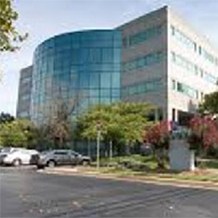
5801 Allentown Road, Suite 400 Camp Spring, MD 20746
Phone: 301-868- 0150
Billing Inquiries: 301-552-1270
Fax: 301-868-0243

7500 Greenway Center, Dr #1200 Greenbelt, MD 20770
Phone: 301-486-7580
Billing Inquiries: 301-552-1270
Fax: 301-486-7581
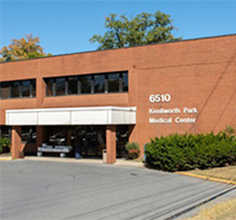
6510 Kenilworth Ave, Ste 1400, Riverdale MD 20737
Phone: 301-618-0771
Billing Inquiries: 301-552-1270
Fax: 301-618-0772