

Health issues can arise when you least expect them, causing discomfort and disruption to your daily life. When this happens, knowing where to seek medical attention can save time, reduce anxiety, and ensure you receive the proper care. While urgent care and primary care address common health concerns and are often used interchangeably, they serve different purposes. If you are unsure which is the right option during the next emergency, Southern Maryland Medical Group can help. We understand how challenging it can be, and account for crucial factors such as your symptoms, urgency for treatment, and whether you are ready for a primary care provider (PCP).
Primary care is ideal when starting routine checks and ongoing health management. With that said, primary care doctors get to know the medical history, medications, allergies, and previous health concerns. This makes it easier for personalized care, as physicians use patient information to ensure a more hands-on approach. If you have a mild illness, such as a cough, rash, or seasonal allergies, your primary care physician can evaluate the problem and determine the appropriate treatment.
Urgent care is designed for medical issues that need immediate attention but aren’t life-threatening. This makes it particularly useful when you can’t get an appointment with your primary care doctor in Riverdale, MD quickly, or their office is closed. Conditions such as sprains, burns, cuts, ear infections, sore throats, or persistent fever are some of the appropriate reasons to visit an urgent care center. The primary goal of urgent care is to provide timely treatment without requiring a trip to the emergency department for a problem that does not appear immediately dangerous.
Now that you know when to visit your primary care physician and when to seek urgent care, you can make more informed decisions. However, there are other crucial factors you should consider when deciding between primary care and urgent care.
As stated, illnesses can strike when you least expect them. While minor indications of illness may not raise concerns at first, severe and quickly changing symptoms can help you decide. A mid sore throat that remains stable can be handled by your primary care doctor, but symptoms that worsen indicate that you need prompt medical attention. Pay attention to changes such as increasing pain, persistent vomiting, or a worsening fever, as these symptoms suggest that urgent care may be more practical. When you experience unusual symptoms, it is better to seek professional guidance rather than simply waiting them out.
Sometimes, you don’t need primary care or urgent care. If you experience symptoms such as severe chest pain, significant difficulty breathing, severe bleeding, or other potentially life-threatening symptoms, seek emergency help. In such situations, call emergency services or go to the nearest emergency room for immediate treatment. Remember, urgent care centers are not substitutes for emergency rooms when your condition is critical.
One of the main advantages of primary care is continuity. Primary care doctors don’t just target each illness as an isolated issue, but also identify patterns and monitor your health over time. This is especially valuable for individuals managing ongoing health complications or taking multiple medications. On the other hand, an urgent care visit can help you address the immediate problem, but it may not focus on the bigger picture or long-term perspective.
When a health concern arises, don’t solve every question alone. Contact Southern Maryland Medical Group to ensure you choose a setting that matches the urgency of the problem and gives you the best chances for recovery.
Southern Maryland Medical Group has 3 convenient locations to provide professional medical care services in the Southern Maryland area. Call or schedule an appointment with one of our locations to get medical care help.

5801 Allentown Road, Suite 400 Camp Spring, MD 20746
Phone: 301-868- 0150
Billing Inquiries: 301-552-1270
Fax: 301-868-0243

7500 Greenway Center, Dr #1200 Greenbelt, MD 20770
Phone: 301-486-7580
Billing Inquiries: 301-552-1270
Fax: 301-486-7581
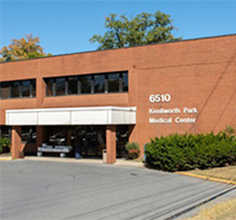
6510 Kenilworth Ave, Ste 1400, Riverdale MD 20737
Phone: 301-618-0771
Billing Inquiries: 301-552-1270
Fax: 301-618-0772