

Primary care doctors are hands-on when it comes to patient health. With that said, regular check-ups may reveal symptoms that prompt a closer evaluation to prevent cardiac complications. In such cases, physicians may recommend a Holter monitor to provide diagnostic answers about unusual events. If you experience dizziness, irregular heartbeat, and fainting, it may be time to consult the healthcare team at Southern Maryland Medical Group.
Our highly skilled and experienced primary care doctors interpret the readings to accurately diagnose the problem before it worsens. Additionally, we personalize care plans to treat heart issues like arrhythmia, which is easily detected with a Holter monitor.
A Holter monitor is a non-invasive portable device that you wear to record your heart’s electrical impulses, usually for 1-2 days. The experts at Southern Maryland Medical Group can set you up with a Holter monitor during a routine in-office check-up, which involves placing electrode sensors on the skin. This device should be continuously worn for a specified amount of time, as it only causes minor irritation due to the adhesive used to attach the sensors.
After the Holter monitor test period is completed successfully, primary care doctors remove the device and review the recorded information. This evaluation helps determine whether patients need additional testing for cardiac arrest or treatment to correct unusual heart symptoms.
A Holter monitor can be added to your diagnostic evaluation for a wide range of reasons. Let’s delve into the most common to help you prepare.
Recurrent or ongoing heart tremors can be a red flag sign of cardiac conditions like heart disease and heart valve dysfunction. A Holter Monitor can help primary care doctors confirm or rule out cardiac conditions that contribute to unusual palpitations. You don’t have to worry about underlying complications escalating into bigger, more life-threatening issues.
Perhaps the most overlooked symptom of cardiovascular issues is dizziness. Whether you are constantly dizzy or faint unexpectedly, it is a red flag that you need to call your primary care doctor in Greenbelt, MD for professional help. A Holter monitor can record electrical activity in the moments leading to and after episodes of fainting or dizziness to identify the cause.
Sometimes, primary care doctors may recommend additional diagnostic tests to effectively assess irregular heartbeats. However, the episodes need to happen during testing. By opting for a Holter monitor, your physician can record your ongoing heart’s electrical activity. This goes a long way to pinpoint an arrhythmia before underlying symptoms worsen.
Another reason primary care doctors may recommend a Holter monitor is when an echocardiogram or electrocardiogram (EKG) doesn’t provide sufficient evidence of a cardiac complication. This non-invasive diagnostic technique goes beyond collecting mere information, helping physicians to evaluate the effectiveness of medication or determine whether a pacemaker is working.
According to industry experts, these monitoring devices should remain completely dry. This means that you should refrain from water-related activities such as swimming or showering during the monitoring period. Additionally, magnets can interfere with the reading, so keep away from strong magnets, high-voltage areas, and certain electrical devices.
Contact Southern Maryland Medical Group to schedule a consultation with our experts and learn more ways we can diagnose symptoms and determine the root cause. With decades of experience and expertise, we provide personalized solutions that align and exceed your specific expectations.
Southern Maryland Medical Group has 3 convenient locations to provide professional medical care services in the Southern Maryland area. Call or schedule an appointment with one of our locations to get medical care help.

5801 Allentown Road, Suite 400 Camp Spring, MD 20746
Phone: 301-868- 0150
Billing Inquiries: 301-552-1270
Fax: 301-868-0243

7500 Greenway Center, Dr #1200 Greenbelt, MD 20770
Phone: 301-486-7580
Billing Inquiries: 301-552-1270
Fax: 301-486-7581
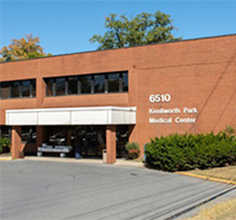
6510 Kenilworth Ave, Ste 1400, Riverdale MD 20737
Phone: 301-618-0771
Billing Inquiries: 301-552-1270
Fax: 301-618-0772