
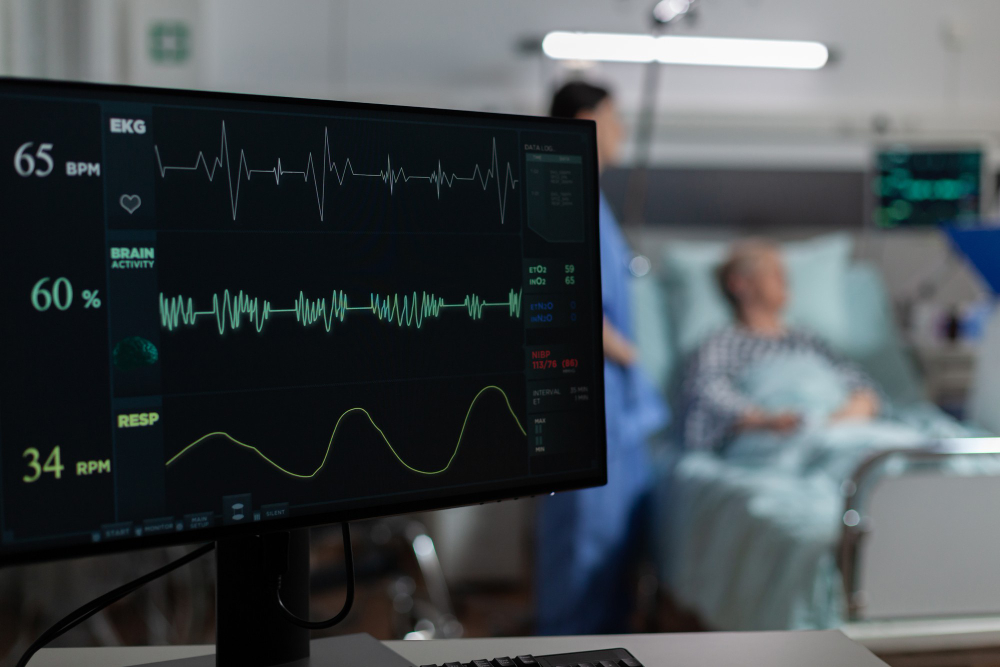
When dealing with recurring heart symptoms such as chest pain, palpitations, or dizziness, you can achieve accurate and reliable results using a continuous ECG Holter Monitor. An electrocardiogram is a device that captures real-time data over a specific period, including 24-hour and 48-hour ECG monitoring. While monitoring can reach 14 days, these are the two most common options. At Southern Maryland Medical Group, we prioritize data-driven care, ensuring your heart is working optimally throughout. Let’s explore the key decision factors our primary care doctors consider to determine whether a 24-hour or a 48-hour Holter test.
The most important consideration when it comes to ECG monitoring is symptom frequency. Whether it is chest pains or palpitations, the more frequent your symptoms, the sooner you need professional help. A 24-hour Holter test is typically sufficient if the heart symptoms occur daily, ensuring early intervention and better outcomes. Conversely, a 48-hour ECG monitor is ideal for less frequent symptom occurrences and helps capture events before they escalate to bigger health issues.
Data-driven care is a crucial aspect of heart care, allowing specialists and primary care doctors to make informed decisions. A longer monitoring period increases the amount of data collected and the probability of detecting a sporadic or intermittent arrhythmia. Studies show that extending monitoring from 24 to 48 hours can increase the rate of symptom detection and early intervention. If your physician suggests longer monitoring, they are simply being cautious, and it doesn’t mean you are at risk.
If primary care doctors do not capture any events during a 24-hour Holter test, they may order a 48-hour test, a 72-hour test, or a long-term monitor like a 14-day patch monitor. While a longer test offers more data, primary care doctors also consider patient comfort. Both 24 and 48-hour monitors are non-invasive and allow patients to resume daily activities. With that said, the slightest inconvenience of a 48-hour Holter test is often considered a worthwhile trade-off for a potentially more accurate diagnosis.
When considering a Holter test, remember that a 48-hour monitor offers a more comprehensive picture for unpredictable symptoms. On the other hand, a 24-hour ECG monitor is suited for more regular, daily occurrences. Primary care doctors can also recommend other devices, such as patient-activated event recorders, for infrequent symptoms.
Now that you know the key considerations physicians make when deciding between a 24-hour and 48-hour ECG monitor, you can take a more proactive approach towards treatment and management. The reality is that the decision depends on a range of factors, including medical history, the number of symptoms, and other practical considerations such as comfort and cost.
Primary care doctors in Greenbelt, MD recommend both devices for continuous monitoring of cardiac activity and access to vital information for accurate diagnosis of cardiovascular disease. However, the longer assessment window a 48-hour ECG monitor offers increases the chances of detecting issues that may not occur every day.
It’s crucial to note that the decision to use a 24-hour or a 48-hour Holter should involve a healthcare professional. Primary care doctors take into account all the necessary factors and recommend the most appropriate option for each patient. The aim is to ultimately obtain the most reliable information about the heart’s condition and provide the best possible treatment.
If you suffer from a heart disease symptom or frequently experience the same problem, act quickly to prevent further deterioration, or even fatality. Contact Southern Maryland Medical Group to book an appointment with our experts and access personalized care for the best outcomes.
Southern Maryland Medical Group has 3 convenient locations to provide professional medical care services in the Southern Maryland area. Call or schedule an appointment with one of our locations to get medical care help.

5801 Allentown Road, Suite 400 Camp Spring, MD 20746
Phone: 301-868- 0150
Billing Inquiries: 301-552-1270
Fax: 301-868-0243

7500 Greenway Center, Dr #1200 Greenbelt, MD 20770
Phone: 301-486-7580
Billing Inquiries: 301-552-1270
Fax: 301-486-7581
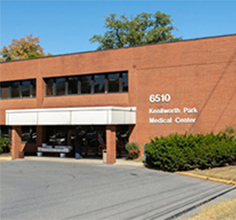
6510 Kenilworth Ave, Ste 1400, Riverdale MD 20737
Phone: 301-618-0771
Billing Inquiries: 301-552-1270
Fax: 301-618-0772