

When primary care doctors meet patients, they are often stressed and overwhelmed by their condition. This is understandable, as dealing with chronic complications is not enjoyable. With that said, many people in such situations are considering surgical intervention as an alternative for managing symptoms and improving overall health. At Southern Maryland Medical Group, we understand how scary it can be to choose between surgery and physical therapy. Whether you need a swift intervention or a minimally invasive approach, we can evaluate your case and determine the best course of action for lasting well-being.
A common misconception is that physical therapy is always the better option. While it is common for primary care doctors to recommend therapy first, some cases require surgery. Let’s delve into some of the nuances involved in deciding to ensure you remain in top health.
As mentioned, certain situations require more invasive options. However, there are many advantages of physical therapy compared to surgery or medication. Let’s delve into the most important ones to help you make informed decisions.
Physical therapy is often preferred due to its non-invasive approach, allowing patients to address a wide range of conditions without undergoing surgery. Unlike surgery, the primary focus of physical therapy is offering a tailored solution that improves function and mobility in the affected joints. This approach can be ideal for individuals with chronic or mild issues.
Physical therapy is designed to reduce risks and side effects compared to surgery. Even in situations where surgery is needed, it can lead to anesthesia-related issues, infections, or post-operative discomfort. Physical therapists may liaise with primary care doctors to develop a natural healing and rehabilitation plan, while minimizing the likelihood of adverse effects.
Unlike invasive procedures, recovery from physical therapy is generally quicker in most cases. Some patients can resume daily activities even if the issue is partially healed. On the other hand, surgical procedures require downtime to recover, which can be sped up by seeking occupational or physical therapy. Based on your health issues, physicians can determine whether physical therapy, surgery, or both are necessary.
Besides the advantages listed above, some patients stand to benefit more from surgery, and often use physical therapy as part of the aftercare recovery plan. Here’s how to know when it is time for surgery.
Some injuries involve fractures, tears to connective tissue, or massive trauma, making surgery the best course of action. Before recommending surgery, a primary care doctor can consult specialists to guide you in the decision and determine if invasive procedures are ideal. If your condition is causing these issues, surgery is necessary to improve patient health and outcome.
For those who have been struggling with chronic discomfort or a recurring injury despite multiple physical therapy sessions or other interventions, it may be time to consider surgery. Sometimes, persisting on conservative treatments, such as chiropractic care, may be doing more harm than good in the long-term.
When a medical condition escalates into a significant loss of function, which limits physical capabilities, primary care doctors in Hyattsville, MD can recommend surgery to restore and improve functionality. Additionally, if a condition continues to worsen despite physical therapy and chiropractic sessions, surgery may be necessary to prevent further decline and complications.
Still stuck on which is the better option? Contact the Southern Maryland Medical Group to talk to a primary care doctor. We have an experienced team that is ready to help you address any concerns, including deciding whether surgery or physical therapy is necessary.
Southern Maryland Medical Group has 3 convenient locations to provide professional medical care services in the Southern Maryland area. Call or schedule an appointment with one of our locations to get medical care help.
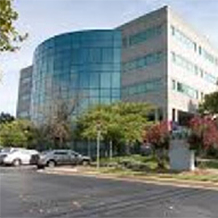
5801 Allentown Road, Suite 400 Camp Spring, MD 20746
Phone: 301-868- 0150
Billing Inquiries: 301-552-1270
Fax: 301-868-0243

7500 Greenway Center, Dr #1200 Greenbelt, MD 20770
Phone: 301-486-7580
Billing Inquiries: 301-552-1270
Fax: 301-486-7581
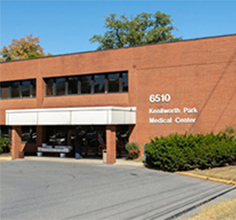
6510 Kenilworth Ave, Ste 1400, Riverdale MD 20737
Phone: 301-618-0771
Billing Inquiries: 301-552-1270
Fax: 301-618-0772