

A Carotid Doppler is a minimally invasive ultrasound test that evaluates blood flow through the carotid arteries on each side of the neck. These arteries carry oxygenated blood to the brain, making their health vital for proper brain function. Over time, plaque can accumulate inside these arteries, leading to strokes and other serious complications if left unchecked. Primary care doctors from Southern Maryland Medical Group can recommend a Carotid Doppler when certain risk factors suggest insufficient blood flow or damage. Understanding these risk factors can help you recognize the importance of a Carotid Doppler and how it contributes to early detection and prevention of serious health complications.
One of the main reasons primary care doctors may recommend this noninvasive test is a history of stroke or transient ischemic attack, also called a mini-stroke. These events usually occur when blood flow to the brain is obstructed by narrow arteries or blockages. A Carotid Doppler allows physicians to evaluate whether narrowing in the carotid arteries or plaque buildup is the cause of the event. By identifying the root source of the blockage, primary care doctors can develop a personalized treatment plan to reduce the risk of future strokes and ensure the brain remains healthy.
Another major risk factor that often leads primary care physicians (PCPs) in Riverdale, MD to suggest a Carotid Doppler examination is high blood pressure. Prolonged high blood pressure places extra strain on the artery walls, causing damage to the lining and making them more susceptible to plaque buildup. Plaque may not raise concerns initially, but it can narrow the carotid artery over time, reducing blood flow to the brain. A Carotid Doppler helps primary care doctors determine whether high blood pressure has affected the arteries and whether additional preventive steps are necessary.
Research shows that high levels of cholesterol can cause plaque to develop inside the arteries. Bad cholesterol, also known as low-density lipoprotein, can build up along the artery wall and harden into deposits that block or restrict blood flow. When primary care doctors suspect that cholesterol is affecting the carotid arteries, they may order a Carotid Doppler to examine the extent of the buildup. Early detection is key to ensuring timely interventions, such as medications, dietary changes, or lifestyle adjustments that can help prevent more serious cardiovascular events.
Smoking poses many risks to an individual’s health, which may include increasing the likelihood of damage to the arteries. This makes it one of the reasons primary care doctors recommend vascular screening, such as a Carotid Doppler. Tobacco contains chemicals that not only injure the inner wall lining of blood vessels but also accelerate the formation of plaque. Additionally, smoking promotes inflammation and increases blood clotting, both of which cause arterial blockage if left unattended. These effects often occur gradually over time, making a Carotid Doppler ideal for monitoring the condition of the carotid arteries in smokers or those who have a history of tobacco use.
Diabetes is another risk factor that can prompt a primary care doctor to order a Carotid Doppler. High blood sugar levels over a long period can severely damage blood vessels throughout the body, including the carotid arteries. This damage may start small, but it can encourage plaque buildup and contribute to the narrowing and stiffening of the arteries. If you or a loved one has diabetes, there’s a high chance of developing cardiovascular disease. A Carotid Doppler helps primary care doctors assess whether diabetes has begun affecting the arteries that supply blood to the brain.
A Carotid Doppler is an essential medical test that helps primary care doctors detect blockage or narrowing in the carotid arteries. When these risk factors are present, contact Southern Maryland Medical Group for insight into your vascular health and take steps to protect long-term health.
Southern Maryland Medical Group has 3 convenient locations to provide professional medical care services in the Southern Maryland area. Call or schedule an appointment with one of our locations to get medical care help.

5801 Allentown Road, Suite 400 Camp Spring, MD 20746
Phone: 301-868- 0150
Billing Inquiries: 301-552-1270
Fax: 301-868-0243

7500 Greenway Center, Dr #1200 Greenbelt, MD 20770
Phone: 301-486-7580
Billing Inquiries: 301-552-1270
Fax: 301-486-7581
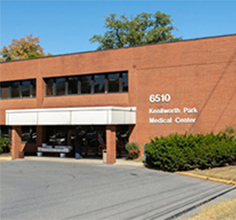
6510 Kenilworth Ave, Ste 1400, Riverdale MD 20737
Phone: 301-618-0771
Billing Inquiries: 301-552-1270
Fax: 301-618-0772