

When you get diagnosed with a chronic condition, whether it’s hypertension, diabetes, heart disease, or asthma, it is normal to ask the question: “What now?” This is a stressful time, especially if you have to manage the condition all your life. But, it doesn’t have to be. At Southern Maryland Medical Group, we understand the confusion and uncertainty that comes with long-term disease management. Our primary care doctors provide ongoing care, careful monitoring, and consistency, forming the foundation of effective disease management. Let’s delve into how primary care helps patients live more stable and healthier lives.
The first and most consistent point of contact following a chronic diagnosis is primary care. This continuity plays a crucial role in building trust and creating a comprehensive image of a patient’s condition and health history. Let’s delve into how primary care helps manage disease to ensure you make informed decisions.
Chronic diseases don’t just go away, as they often develop gradually. With that said, primary care doctors schedule routine screenings, which include checking for cholesterol panels, blood pressure tests, and blood glucose screenings. This proactive approach allows for earlier intervention, helping patients slow or prevent disease progression. For example, identifying signs of prediabetes during a wellness check can lead to timely lifestyle changes that prevent further development and ultimately full-blown diabetes.
While primary care doctors play a crucial role in long-term disease management, they are not the only healthcare experts responsible for a patient’s long-term Many chronic diseases require input from endocrinologists, cardiologists, nephrologists, and pulmonologists. A primary care doctor acts as a central coordinator, working with different specialists to customize a care plan that doesn’t overlap or contradict. This holistic approach prevents fragmented care, minimizes the risk of mistakes, and improves communication across the entire primary care team.
When it comes to chronic disease management, taking multiple medications is common. Primary care doctors not only adjust dosages and monitor side effects but also prevent harmful drug interactions that can derail patient progress. Additionally, they help patients adhere to prescriptions and understand the purpose of each medicine. This requires consistent check-ins with your primary care doctor in Riverdale, MD, especially for patients managing multiple diseases with complex medication requirements.
Disease management isn’t static. This means that a treatment plan used the previous year may not be as effective currently. Primary care doctors use scheduled visits to monitor vital signs, conduct necessary lab tests, and identify symptoms to help refine care plans over time. With professional equipment like electronic health records (EHRs), primary care givers can keep tabs on the trends and act quickly if warning signs emerge. These may include rising blood sugar and blood pressure, which can go undetected for a long time.
Primary care extends to patient education, despite being overlooked when it comes to managing chronic illnesses. Primary care doctors help patients understand their condition, how lifestyle affects symptoms, and how to use devices like inhalers or blood pressure monitors. Additionally, physicians consult specialists and adjust medications when they detect signs of further complications. This knowledge empowers patients to take a more proactive approach to their health and reduce unnecessary visits to the emergency room.
If you or a loved one is diagnosed with a chronic illness, now is the time to build a lasting and reliable relationship with the primary care doctors at Southern Maryland Medical Group. Take control now! Contact us today and schedule your first visit.
Southern Maryland Medical Group has 3 convenient locations to provide professional medical care services in the Southern Maryland area. Call or schedule an appointment with one of our locations to get medical care help.

5801 Allentown Road, Suite 400 Camp Spring, MD 20746
Phone: 301-868- 0150
Billing Inquiries: 301-552-1270
Fax: 301-868-0243

7500 Greenway Center, Dr #1200 Greenbelt, MD 20770
Phone: 301-486-7580
Billing Inquiries: 301-552-1270
Fax: 301-486-7581
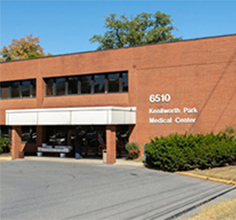
6510 Kenilworth Ave, Ste 1400, Riverdale MD 20737
Phone: 301-618-0771
Billing Inquiries: 301-552-1270
Fax: 301-618-0772