

Many people are unaware of the role an endocrinologist plays, let alone when they should seek their expertise. When patients experience symptoms and problems caused by hormonal imbalances, primary care doctors may consult with these specialists to provide a comprehensive approach to treatment and improve outcomes. At Southern Maryland Medical Group, we understand the impact that hormonal imbalance issues can have on the quality of life. With the different hormone-secreting organs in our bodies, symptoms like hair loss, acne, or menstrual irregularities can suggest an endocrine organ issue.
As stated, endocrine organ issues can arise unexpectedly, causing symptoms that prompt immediate attention. Let’s explore what an endocrinologist does to help you make informed health decisions.
Endocrinologists specialize in endocrine organ issues, providing accurate diagnosis and effective treatment for a wide range of hormone-related conditions. Some of the illnesses an endocrinologist can address include thyroid disease, diabetes, osteoporosis, obesity, and adrenal and pituitary disorders. If your primary care physician (PCP) refers you to an endocrinologist, you may require early intervention to prevent further complications.
While primary care doctors can identify symptoms of endocrine organ issues, they may not have the expertise to pinpoint the exact organ or determine the extent of deterioration. A professional endocrinologist works to restore the body’s hormonal balance through a combination of laboratory tests, physical exams, and imaging tests.
With the help of primary care doctors, endocrinologists can develop and implement individualized treatment plans that often involve medication. Additionally, a personalized approach may also include surgery or therapies to ensure effective, coordinated care, especially for chronic conditions. The collaboration with PCPs and other specialists improves patient outcomes and mitigates severe scenarios down the line.
If you want to learn more about an endocrine organ condition, consult your primary care doctor in Greenbelt, MD or endocrinologist for pertinent information and advice on how to manage it through lifestyle and treatment plan adjustments.
Endocrine organs secrete different hormones, which can cause dysfunctions and imbalances. Let’s delve into the common conditions managed by endocrinologists to ensure early intervention.
If you or a loved one suffers from diabetes, an endocrinologist can advise and tailor care programs to effectively manage symptoms. By collaborating with primary care doctors, they can provide a holistic approach that combines medication and blood sugar management strategies. This goes a long way in preventing bigger complications such as stroke, heart disease, and renal failure.
When the body secretes too much or too little hormone, it can cause kidney stones, osteoporosis, chronic fatigue, as well as memory and concentration issues. Other common symptoms to look out for include bone and joint pain, bone fractures, muscle aches, dry skin, and depression. While treatment can be as easy as taking a pill, sometimes it may involve therapies tailored to address specific needs.
Another reason primary care doctors refer patients to endocrinologists is due to extreme hair growth on the back, face, and chest in women. Conversely, low estrogen levels or excess male hormones may prompt a visit to an endocrinologist. A specialist can accurately diagnose and successfully treat this condition with medication.
The endocrinologists at Southern Maryland Medical Group are experts in hormones, endocrine disorders, and metabolic health. We leverage extensive expertise and knowledge to address a wide range of complications, from diabetes and thyroid disorders to menopause and infertility. Contact us today to book an appointment with our experts and enjoy a personalized treatment plan to help you achieve your health goals.
Southern Maryland Medical Group has 3 convenient locations to provide professional medical care services in the Southern Maryland area. Call or schedule an appointment with one of our locations to get medical care help.

5801 Allentown Road, Suite 400 Camp Spring, MD 20746
Phone: 301-868- 0150
Billing Inquiries: 301-552-1270
Fax: 301-868-0243

7500 Greenway Center, Dr #1200 Greenbelt, MD 20770
Phone: 301-486-7580
Billing Inquiries: 301-552-1270
Fax: 301-486-7581
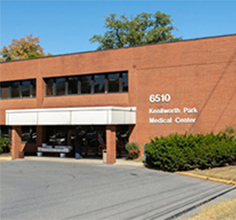
6510 Kenilworth Ave, Ste 1400, Riverdale MD 20737
Phone: 301-618-0771
Billing Inquiries: 301-552-1270
Fax: 301-618-0772