

Chest pain is one of the most common reasons patients seek urgent medical attention. While chest discomfort may come from muscle strain, acid reflux, or anxiety, healthcare providers must first rule out serious heart-related conditions. That is why an electrocardiogram, commonly called an ECG, is often one of the first tests performed. At Southern Maryland Medical Group, our providers understand that fast evaluation is critical when symptoms involve the heart. An ECG gives medical teams immediate insight into how the heart is functioning and whether emergency treatment may be necessary.
?It is worth noting that a significant percentage of chest discomfort cases are eventually traced back to non-cardiac issues. Problems such as acid reflux, muscle strain in the ribcage, asthma, or severe anxiety can mimic the precise sensations of a heart concern. However, medical professionals cannot safely assume a symptom is genuine without concrete data.
?By performing an ECG right away, clinicians can systematically rule out the most dangerous possibilities. Once the electrical tracking shows a healthy, stable pattern, the medical team can comfortably explore gastrointestinal or respiratory avenues of treatment. Therefore, the test serves as a critical sorting mechanism that ensures dangerous cardiac anomalies are never overlooked while paving the way for the correct treatment of alternative conditions.
Another major reason chest pain leads to ECG testing is speed. An electrocardiogram records the electrical activity of the heart in real time. Small sensors attached to the chest, arms, and legs detect electrical signals that control heartbeats. The results appear as wave patterns that healthcare professionals analyze for abnormalities.
The test takes only a few minutes to perform and can quickly reveal warning signs of a heart attack, restricted blood flow, or inflammation around the heart. Because timing matters during cardiac emergencies, many primary care doctors recommend ECG testing even when symptoms seem mild.
A heart attack occurs when blood is restricted from reaching the heart. Without oxygen, heart tissue begins to suffer damage. An ECG can detect changes in the heart’s electrical patterns that suggest this process is happening.
Certain wave abnormalities help providers identify whether a patient may be experiencing an active heart attack or recovering from a previous cardiac event. This information helps determine the next steps in care, including medications, monitoring, or referral to emergency services.
Beyond identifying blockages, an electrocardiogram is exceptionally effective at diagnosing irregular heart rhythms, known medically as arrhythmias. A patient might feel this as a fluttering sensation, a skipping sensation, or a heavy pounding behind the breastbone. Some arrhythmias are fleeting, while others can be sustained and life-threatening.
?An ECG records the exact rate and rhythm of the heartbeat, allowing the clinical team to see if the upper or lower chambers are miscommunicating. Furthermore, the test can reveal signs of chronic conditions, such as thickening of the heart walls or past damage that went unnoticed by the patient.
?Managing your cardiovascular health requires a proactive approach and a dedicated medical team by your side. At Southern Maryland Medical Group, our experienced providers are committed to delivering comprehensive evaluations, preventive screenings, and personalized diagnostic pathways to keep your heart in optimal condition. If you have questions about your cardiac health or need to establish routine preventative oversight, do not hesitate to reach out to our office. Call Southern Maryland Medical Group today to schedule an appointment and ensure your peace of mind.
Southern Maryland Medical Group has 3 convenient locations to provide professional medical care services in the Southern Maryland area. Call or schedule an appointment with one of our locations to get medical care help.

5801 Allentown Road, Suite 400 Camp Spring, MD 20746
Phone: 301-868- 0150
Billing Inquiries: 301-552-1270
Fax: 301-868-0243

7500 Greenway Center, Dr #1200 Greenbelt, MD 20770
Phone: 301-486-7580
Billing Inquiries: 301-552-1270
Fax: 301-486-7581
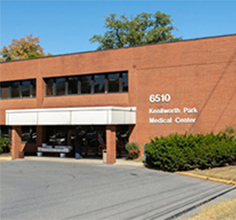
6510 Kenilworth Ave, Ste 1400, Riverdale MD 20737
Phone: 301-618-0771
Billing Inquiries: 301-552-1270
Fax: 301-618-0772