

When you or a loved one is diagnosed with a chronic illness, it is essential to book an appointment with a primary care physician in Riverdale, MD before things worsen. At Southern Maryland Medical Group, we believe that patients should build solid relationships with primary care doctors to make necessary life changes and stay as healthy as possible. However, many people rarely consider their overall well-being, and only schedule checkups when issues arise. Do not wait until it is too late to seek treatment or prevent further decline.
As the name suggests, chronic illnesses are long-term health conditions that often start small and progress gradually with time. Some of the common chronic illnesses include cancer, asthma, arthritis, diabetes, heart disease, high blood pressure, and Alzheimer’s disease or dementia. While the list is long, primary care doctors can work with other specialists to devise personalized care plans that align with your specific health needs. Additionally, prioritizing regular checkups can help catch signs of progression quickly and adjust treatment to improve patient outcomes.
When it comes to chronic health conditions, early detection of changes, preventing further complications, adjusting treatment plans, and reducing hospitalizations during emergencies are key to improving long-term quality of life and empowering patients. Still not convinced that regular monitoring by primary care doctors is necessary? Here are the reasons to consider a more proactive treatment approach.
Regular check-ups and monitoring help identify subtle changes before they escalate into severe complications. This goes a long way in helping primary care doctors and specialists prevent or delay the progression of chronic illnesses like hypertension or diabetes. If the symptoms persist despite professional intervention, schedule another visit to your physician to recommend more effective changes or devise a new treatment based on the recent tests done. If necessary, your physician may liaise with other physicians to ensure more targeted solutions.
As mentioned, chronic health complications worsen over time. This means that routine checks by professional physicians can prevent serious issues, such as kidney disease, retinopathy, or cardiovascular events. Primary care doctors have access to pertinent patient information, including diagnosis, medical history, potential risk factors, and family history. By taking a more proactive approach toward disease management, you can get ahead of serious complications and enjoy stable health throughout the treatment process.
During regular monitoring sessions, trusted primary care doctors collect data to determine the best course of action. This may include adjusting medication dosages, evaluating the effectiveness of current treatments, and ensuring personalized care. If chronic disease patients do not keep up with routine doctor appointments, they risk small symptoms escalating into severe complications, or even fatalities. Regularly changing or adjusting your treatment plan to accommodate both positive and negative health changes provides confidence in the quality of care and your overall well-being.
Another reason why patients should take regular monitoring by trusted personal care doctors is increased patient engagement. Whether it is an in-person visit to the hospital or a home check-up, taking a more hands-on approach helps you play an active role in your health through self-monitoring and lifestyle changes. Also, physicians get fast feedback straight from the source, saving time and money on future medical emergencies.
Sometimes, waiting for symptoms to worsen so that you can act may not be the best solution. This is particularly true for chronic disease patients, as minor issues can quickly worsen if left unchecked, causing further health decline, costly treatments, or even fatality. Contact Southern Maryland Medical Group to learn more about chronic illnesses and keep your loved ones safe.
Southern Maryland Medical Group has 3 convenient locations to provide professional medical care services in the Southern Maryland area. Call or schedule an appointment with one of our locations to get medical care help.

5801 Allentown Road, Suite 400 Camp Spring, MD 20746
Phone: 301-868- 0150
Billing Inquiries: 301-552-1270
Fax: 301-868-0243

7500 Greenway Center, Dr #1200 Greenbelt, MD 20770
Phone: 301-486-7580
Billing Inquiries: 301-552-1270
Fax: 301-486-7581
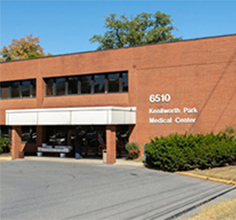
6510 Kenilworth Ave, Ste 1400, Riverdale MD 20737
Phone: 301-618-0771
Billing Inquiries: 301-552-1270
Fax: 301-618-0772